The Parivahan Sewa portal is the official online platform developed by the Ministry of Road Transport and Highways, Government of India. It handles a wide range of transport-related services, including driving license applications, vehicle registration, permits, fitness certificates, and more. When you submit an application through the Sarathi or Vahan sections of the portal, the system immediately assigns a unique application number.
Knowing how the parivahan application status is generated and updated is valuable for anyone applying for these services. The status provides real-time information about where your application stands in the approval process. It helps reduce anxiety during the waiting period and lets you plan your next steps accordingly.
Whether you are applying for a learner’s license, permanent driving license, new vehicle registration, or transfer of ownership, the status system offers transparency. It shows whether your application is pending, under review, approved, or requires additional action. Understanding the behind-the-scenes process makes the entire experience smoother and more predictable.
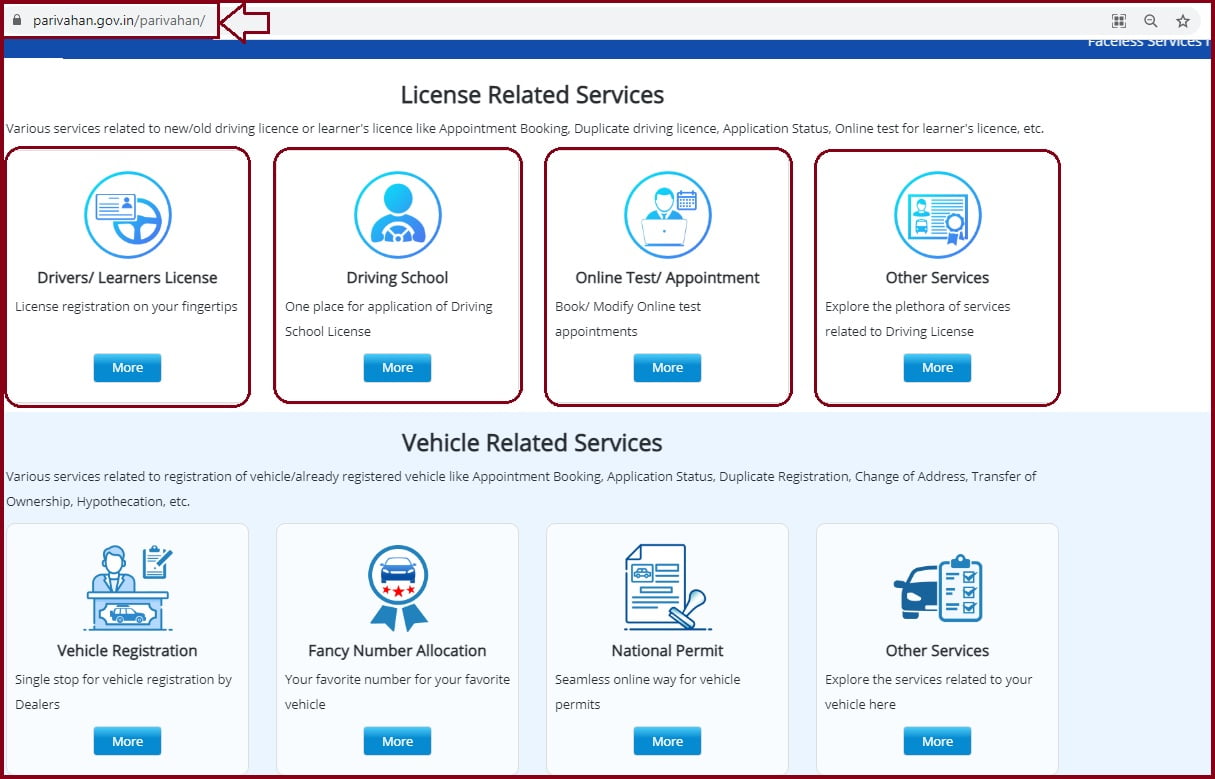
After you complete the online form, upload documents, and make the payment, the Parivahan system records your application in its central database. An application number is generated instantly. This number is your permanent reference for all future tracking and communication.
The system automatically routes the application to the correct Regional Transport Office (RTO) based on the address you provided. At this stage, the status usually changes to “Submitted” or “Application Received.” Basic validation checks are performed to ensure the form is complete.
Once the application reaches the RTO, transport officials begin the manual verification process. They carefully examine all uploaded documents such as identity proof, address proof, medical certificate (if required), and photographs. This step ensures that every document meets the legal requirements.
If the documents are clear, legible, and match the information provided, the process moves forward smoothly. However, if any document is unclear, expired, or mismatched, the status may change to “Clarification Required” or “Pending for Documents.” Applicants then receive a notification to upload corrected files.
Driving license applications involve mandatory tests. After passing the online learner’s license test, the result is updated in the system almost immediately. For a permanent driving license, you must pass the driving skill test conducted at the RTO or an authorized driving test track.
Vehicle registration applications often require physical inspection of the vehicle. An RTO inspector checks the engine number, chassis number, vehicle condition, and compliance with safety norms. Once the inspection report is uploaded, the status reflects the outcome.
After all verification, tests, and inspections are complete, the application goes to the licensing or registering authority for final approval. The officer reviews the complete file, including test results and inspection reports. If everything is satisfactory, approval is granted.
Approved applications move to the printing stage. Driving licenses and registration certificates are digitally signed and sent for printing. Rejected applications include a clear reason, such as incomplete documents, ineligibility, or test failure. The applicant can usually reapply after resolving the issues.
The time taken for status updates varies depending on several factors. Applications submitted during peak seasons, such as before festivals or school/college reopening, often face longer delays due to high volume. The workload at individual RTOs also plays a major role.
Submitting complete and clear documents from the beginning significantly speeds up processing. Prompt responses to any clarification requests also help. Technical issues on the portal or scheduled maintenance can occasionally delay real-time status updates. Understanding these status update factors helps applicants set realistic expectations.
The Parivahan portal uses standard status messages to communicate progress clearly. “Application Submitted” simply means the form has reached the system. “Pending at RTO” or “Under Process” indicates that officials have started working on the file.
Phrases like “Driving Test Pending,” “Inspection Scheduled,” or “Approval Pending” show specific stages. “Card Dispatched” or “Smart Card Issued” signals that the process is nearly complete and the physical document is on its way.
You can track your application anytime by visiting the official Parivahan portal. Select the correct service (Sarathi for licenses, Vahan for vehicles), enter your application number, and view the current status. The portal is updated regularly as each step is completed.
Automatic notifications are sent via SMS and email at key stages, such as test results, approval, or dispatch. Keeping your registered mobile number and email address active ensures you receive these important updates without delay. Some users also prefer the mParivahan mobile app for easier tracking and push notifications.
The Parivahan system has transformed how transport services are delivered in India. By moving many processes online and providing transparent status tracking, it has reduced the need for repeated RTO visits. The status updates give applicants clear visibility into every stage of their application.
Most applications proceed smoothly when all required documents are submitted correctly and tests are passed. While delays can happen due to high volumes or technical reasons, patience and attention to detail usually lead to successful outcomes. The overall process reflects the government’s effort to make transport services more citizen-friendly and efficient.
Understanding how the status system works helps applicants stay informed, manage expectations, and navigate the process with greater confidence.